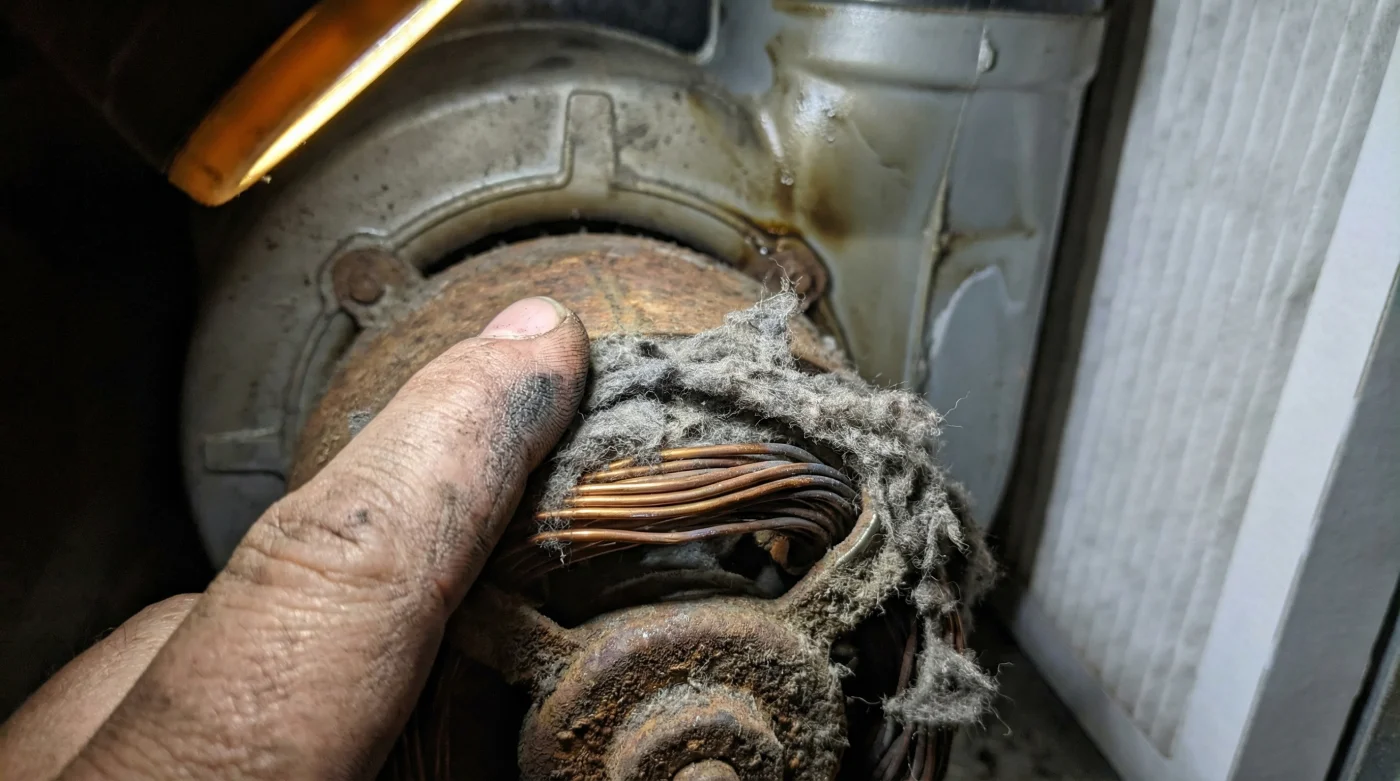
It is the middle of January, and the temperature outside is hovering near ten degrees Fahrenheit. You hear the familiar click of the hallway thermostat calling for heat. A low hum starts up from the basement, but instead of the reassuring rush of warm air through your vents, you hear a strained, wheezing groan. It sounds exactly like someone trying to breathe through a heavy winter coat. A faint smell of overheated metal drifts up from the floorboards.
You probably marched down the hardware store aisle last month and bought the most expensive, hospital-grade pleated square you could find. The box promised a sanctuary free of dust mites, pollen, and pet dander. But what that cardboard packaging failed to mention is that your attempt to purify the air is quietly choking the life out of your heating system.
The Wool Blanket Metaphor
We are conditioned to believe that a higher number means a better product. When it comes to MERV 13 filters, the marketing heavily leans into this misconception. The Minimum Efficiency Reporting Value (MERV) scale measures how effectively a filter traps microscopic particles. Naturally, it feels responsible to buy the highest rating available to protect your family’s lungs.
But your furnace is not a pair of human lungs. It is an air pump, reliant on a very specific balance of intake and output to regulate its own internal temperature. Slapping a tightly woven, highly restrictive MERV 13 filter onto an older system completely disrupts this balance. The restriction causes static pressure to skyrocket. The motor pulls more electrical current, trying desperately to drag air through what is essentially a solid wall of synthetic fibers.
Think of it like running a marathon while breathing through a thick wool blanket. Eventually, something gives out. For your furnace, that means the blower motor overheats, the internal copper windings melt, and your home goes freezing cold on the worst possible night of the year.
| Homeowner Profile | The Filtration Misstep | The Component Benefit of Downgrading |
|---|---|---|
| Owners of pre-2015 furnaces | Using MERV 11-13 to upgrade an old system. | Restores proper airflow, preventing premature motor death. |
| Pet owners with heavy shedding | Buying dense filters that clog in two weeks. | MERV 8 catches hair without restricting essential cooling air to the motor. |
| Budget-conscious DIYers | Spending $30+ per premium filter. | Saving $20 per month while extending the lifespan of an $800 part. |
Consider the experience of Dave, a seasoned HVAC technician who has spent thirty winters pulling dead motors out of Michigan basements. I stood next to him last year as he hauled a scorched, heavy steel blower out of a cramped utility closet. The culprit was jammed right in the return slot: a charcoal-infused, ultra-dense filter, bowed inward from the sheer vacuum force.
People spend forty dollars on a premium allergy filter, Dave muttered, wiping grease from his hands. And a month later, I am handing them a massive bill for a fried motor. These old systems just weren’t built for this kind of restriction.
| Filter Rating | Typical Static Pressure Drop | Motor Stress Level (Pre-2015 Units) |
|---|---|---|
| MERV 4 (Spun Glass) | 0.08 in. w.g. | Negligible. System breathes easily, but poor dust control. |
| MERV 8 (Pleated Cotton) | 0.15 in. w.g. | Optimal. Balances decent dust capture with safe motor temperatures. |
| MERV 13 (Dense Synthetic) | 0.25 – 0.35 in. w.g. | Critical. Causes overheating, short-cycling, and eventual failure. |
Stepping Back to the Safe Zone
If your furnace was installed before 2015, it likely features a standard PSC (Permanent Split Capacitor) motor. These motors lack the modern computer sensors that adjust fan speed to compensate for airflow blockages. They just pull harder, run hotter, and burn out.
The maximum safe rating for these older units is MERV 8. This rating represents the perfect middle ground. It is tight enough to catch household dust, lint, and common allergens, keeping the blower wheel and heat exchanger clean.
Yet, it remains porous enough to let the motor cool itself with a steady, unrestricted rush of return air.
| Quality Checklist | What to Look For | What to Avoid |
|---|---|---|
| Pleat Count | High number of pleats per foot (increases surface area). | Flat, unpleated fiberglass (too porous) or overly dense synthetic slabs. |
| Wire Backing | Galvanized metal wire supporting the media. | Flimsy cardboard frames that bow under suction. |
| Rating Verification | Clearly labeled MERV 8 or MPR 600. | Vague marketing terms like Ultimate Allergen Defender. |
- R-410A refrigerant bans force homeowners into expensive full HVAC system replacements.
- New EPA gas stove regulations ban these standard residential burner models.
- Plastic drywall anchors fail immediately under continuous dynamic television mount weight.
- Tankless water heaters require this vinegar flush routine every six months.
- MERV 13 HVAC filters actively burn out older furnace blower motors.
You will hear a physical difference. The strained, high-pitched whine of the motor will drop an octave into a smooth, relaxed hum. The air coming out of your living room registers will feel noticeably stronger.
By letting the machine breathe, you are actively extending its life by years. Check the filter every thirty days. Hold it up to a nearby lightbulb; if you cannot see the light shining through the pleats, throw it away.
The Bigger Picture
There is a profound peace of mind that comes from understanding the machinery keeping you warm. Home maintenance is rarely about buying the most expensive, heavy-duty component on the shelf. It is about understanding the delicate engineering of your house.
When you stop treating your furnace like a hospital air purifier, you allow it to do the job it was actually built to do. You get better heat distribution, lower utility bills, and silence the anxiety of an unexpected breakdown.
Sometimes, the best way to care for your home is simply to stop suffocating it.
Your furnace filter is not there to clean the air you breathe; it is there to protect the blower motor from debris. Never compromise the motor to treat your allergies.
Frequent Maintenance Concerns
Is MERV 13 ever appropriate to use?
Yes, but only in modern systems equipped with ECM (Electronically Commutated Motors) and oversized return ducts designed specifically for high static pressure.How often should I change a MERV 8 filter?
During peak heating or cooling months, replace it every 30 to 45 days. Never let it go beyond 90 days, even in mild weather.What if I need better air purification for my allergies?
Invest in standalone HEPA air purifiers for the bedrooms and living areas. Let the furnace handle the temperature, and let the purifiers handle the allergens.Will a lower MERV rating make my house dustier?
Not noticeably, if you maintain a regular vacuuming schedule. MERV 8 captures the vast majority of airborne household dust effectively.How do I know if my motor is already damaged?
Listen for loud humming before the fan engages, a burning electrical smell, or weak airflow at the vents. If you notice these, call a technician immediately.